
CTC Communications – Theme Upgrade and Frontend Optimization
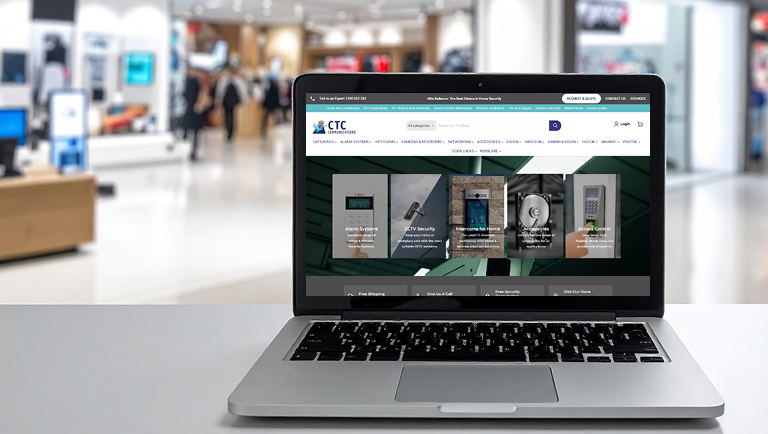
CTC Communications upgraded its outdated Shopify store to a modern Online Store 2.0 theme for improved performance, user experience, and long-term scalability.
Industry
E-commerce (Retail Communication Products)
Technology
Shopify, Bootstrap 5 Framework, jQuery
Services
Theme Upgrade and Migration, UI/UX Enhancement, Frontend Performance Optimization, Quality Assurance & Deployment
Project Overview
CTC Communications, a leading e-commerce retailer specializing in communication and connectivity products, sought a complete overhaul of its Shopify theme. The existing store was built on an outdated theme with extensive customizations that impacted site performance and scalability. The goal was to migrate to a modern Shopify Online Store 2.0 framework that would deliver faster performance, an improved user interface, and better long-term maintainability.
Project Objectives
The main objectives of the CTC Communications project were to:
- Upgrade the existing Shopify theme to the latest Online Store 2.0 architecture.
- Eliminate redundant or legacy code that affected speed and stability.
- Enhance the overall UI/UX design for better engagement and conversion.
- Improve Core Web Vitals, particularly LCP (Largest Contentful Paint) and CLS (Cumulative Layout Shift).
- Preserve all custom functionality and ensure a smooth migration with no data loss.
- Conduct thorough testing and ensure a seamless launch experience.
Project Execution
1. Design and Discovery Process
The project began with an extensive design and discovery phase where the existing CTC Communications theme was audited.
Legacy scripts, redundant snippets, and overlapping custom sections were identified. A comprehensive mapping of theme dependencies such as jQuery, Bootstrap, and custom JS files was created.
Design wireframes and visual prototypes were prepared to align the upgraded theme with CTC Communications’ brand guidelines and user experience goals.
2. Development and Customization
During the development phase, the new Shopify Online Store 2.0 framework was implemented with an emphasis on clean code, modular sections, and future scalability.
Frontend Implementation:
The development team integrated dynamic JSON templates and migrated reusable Liquid components. Outdated JavaScript dependencies were removed, and the Bootstrap 5 framework was adopted for a responsive, mobile-first design approach.
Feature Implementation and Setup:
Custom sliders, promotional banners, and homepage sections were reconfigured for better performance and visual consistency. Lazy-loading mechanisms were introduced to optimize image rendering, leading to improved page load speeds and better LCP scores. The site’s structure was adjusted to support flexible schema-based customization, empowering the CTC team to make visual updates through the Shopify admin.
- Custom Sliders: Built fully dynamic sliders allowing easy content management through the Shopify editor, optimized for performance and accessibility.
- Multi-Column Sections: Created configurable multicolumn layouts to showcase services, features, or promotional highlights with visual balance and responsive design.
- Image with Text Sections: Developed multiple “image-with-text” modules supporting dual-image layouts for storytelling and product highlights.
- FAQ Accordion Section: Implemented an accordion-based FAQ section for a cleaner interface and improved content discoverability.
- Promotional Banners & Homepage Sections: Reconfigured for better performance, visual consistency, and user engagement.
- Lazy-Loading Mechanisms: Introduced to optimize image rendering, leading to improved page load speeds and better LCP scores.
3. Key Design Enhancements
The design overhaul focused on clarity, modern aesthetics, and usability.
Typography, color hierarchy, and section spacing were refined for a professional and cohesive layout. The homepage hero section and sliders were redesigned for higher engagement. Accessibility enhancements, including ARIA attributes and semantic HTML, were added to improve user experience and SEO. The new theme balanced aesthetics with functionality, maintaining CTC’s brand personality while enhancing conversion potential.
4. Testing and Deployment
Before deployment, the upgraded theme underwent rigorous cross-browser and cross-device testing. All pages were validated for compatibility and responsiveness.
Script conflicts were identified and resolved particularly issues arising from simultaneous loading of jQuery and Bootstrap 5. The QA process also included Google Lighthouse audits to measure performance, accessibility, and SEO benchmarks. Once testing was complete, the deployment was executed with zero downtime, ensuring uninterrupted shopping experiences for customers.
5. Launch
The launch of the new CTC Communications theme marked a major milestone in the brand’s digital evolution.
All previous assets, configurations, and data were successfully preserved, while redundant elements were eliminated. The new design structure allowed for faster content updates and improved scalability. The post-launch period included monitoring and fine-tuning to ensure optimal site performance and conversion tracking.
Impact of Theme Upgrade
During the theme upgrade, both backend and frontend components were restructured. This introduced several technical challenges, each addressed systematically by the development team.
One of the primary challenges was the overlap between legacy jQuery scripts and Bootstrap 5’s JavaScript dependencies. These conflicting scripts slowed down performance and caused UI inconsistencies. The fix involved removing outdated jQuery references and consolidating script loading logic to rely only on the new framework.
Another significant issue encountered was duplicate homepage sliders, a result of both the old custom slider and the new Bootstrap carousel running concurrently. This was resolved by cleaning up redundant code and retaining only the optimized slider structure.
Visual performance issues such as Cumulative Layout Shift (CLS) and delayed Largest Contentful Paint (LCP) were identified due to the use of background images instead of <img> elements. The development team adjusted templates to use semantic image tags and added proper dimension attributes, significantly improving the overall visual stability of the site.
Minor issues, including missing image dimensions, external CDN dependencies, and typographical errors, were resolved during QA. CDN references were replaced with local script files for faster load times, and inline HTML banner images were reconnected to dynamic theme settings to enhance performance and maintainability.
Results & Feedback
The new CTC Communications theme delivered remarkable improvements across key metrics and usability factors:
- Page load time decreased by nearly 28%.
- Core Web Vitals improved, with LCP reduced by 1.2 seconds and CLS stabilized.
- Frontend performance increased, ensuring smoother navigation and faster interactivity.
- Technical debt reduced through the elimination of redundant code and outdated dependencies.
- Administrative flexibility enhanced, allowing CTC’s marketing team to make quick updates without developer intervention.
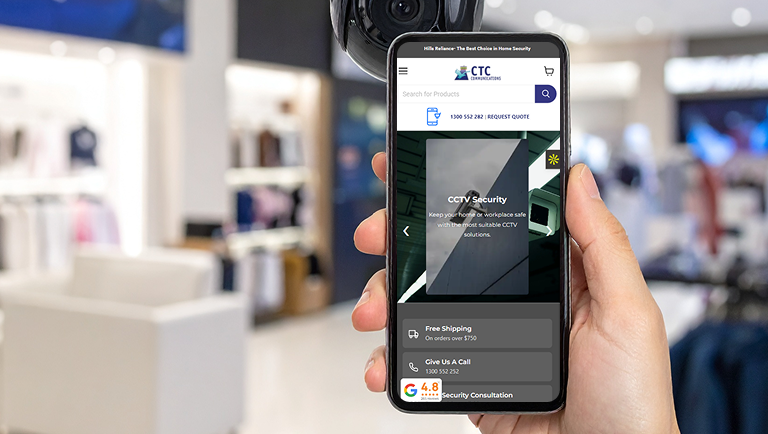
The end result was a faster, cleaner, and more user-friendly Shopify store that provides an exceptional browsing and shopping experience for customers.
Client’s Feedback
“We’re extremely pleased with the results delivered by EbizON Digital. Their team demonstrated professionalism, technical expertise, and a touch of creativity that truly elevated our project. The theme upgrade and website enhancements were completed seamlessly, aligning perfectly with our requirements and expectations. Communication throughout the process was smooth and consistent the team stayed in touch via virtual meetings, emails, and quick updates, ensuring complete transparency. We deeply appreciate their commitment to quality and their reliable, trusted partnership.”
Susan Blenman
Website Administrator, CTC Communications
What Our Customers Says


reviewed by JOE WILLIAMS
Senior manager, Remedy Liqour
Head of Business Engagement, WRI
“Ebizon is one of the best in the business and they back this up with their quick and friendly support. The team is relentless to listen to our issues and come up with a solution. Have seen the team stretch beyond their knowledge to help us.”

reviewed by JOSEPH CURLEY
Vice President, Sokolin
Content Officer, Society for Science & Public
“My experience with this partnership has been positive. The support Ebizon extended towards us was commendable. It perfectly fulfils our requirements with their support we had no hassle.”

reviewed by Beat Walder
Manager, Forester Beauty
Chief of Staff, Strategic Dentistry
“I’m the owner of Forester Beauty in Switzerland. I’ve contacted Dee and he led me through the whole process of migrating our online shop to Shopify, including custom elements to enhance user experience. The whole Project Team at Ebizon has a very professional attitude and provide their support and insights promptly.”

reviewed by Wilma Pretorius
Managing Director, Cranimals
For fully managed WordPress installs, WPEngine is my Go-To
“The Team worked well with my company to migrate our Magento store to a new Shopify store. Ebizon was able to implement required applications to enable a near seamless transition. Thanks Team!

reviewed by Raul
Senior Manager, Emporium Embroidery
Head of Business Engagement, WRI
“Emporium Embroidery – customization module / Magento upgrade Thank you Ebizon and a great thank you to the team who was always very helpful on this journey.”

reviewed by Alexandre Salem
eCommerce Manager, Ada Cosmetic
Chief of Staff, Strategic Dentistry
“Thanks to EbizON solution, the platform enabled the company to sell products efficiently. The team worked in sprints and held weekly meetings, ensuring accurate outcomes.”

reviewed by Po Ming Lam
Manager, Avec Plaisirs Chefs Traiteurs
For fully managed WordPress installs, WPEngine is my Go-To
“Ebizon is helping our Magento development needs. Their customer oriented approach has made our experience very pleasant and efficient. We are definitely sending more work to them and recommend others to try them out!”