
TheCityFix Learn – Platform Migration & LMS Integration
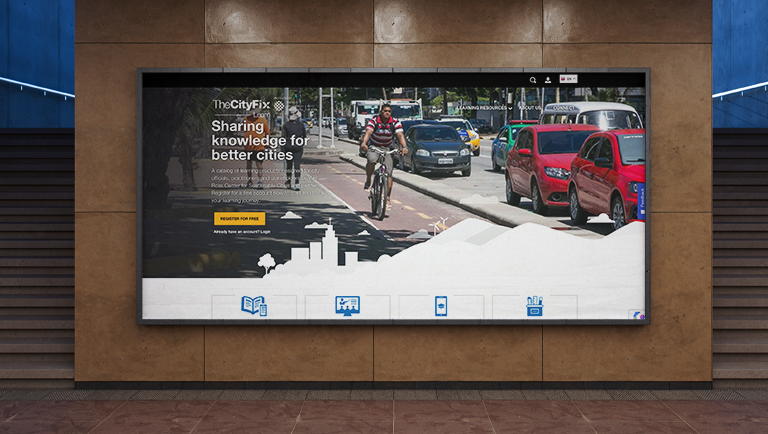
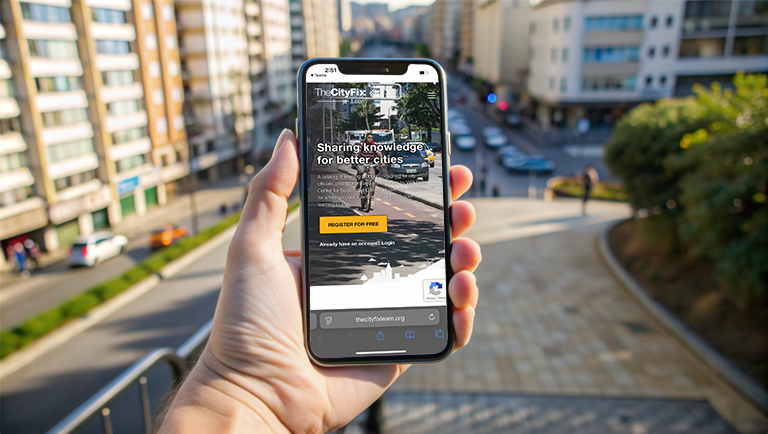
TheCityFix Learn is a global platform by WRI Ross Center that offers multilingual training resources to promote sustainable urban development. It is transitioning from Drupal 7 to a scalable WordPress-based system using LearnDash for improved functionality and security.
Industry
Higher Education
Technology
WordPress, Drupal, LearnDash
Services
CMS Migration and Re-platforming, LMS Integration and Customization, UI/UX Optimization
Project Overview
TheCityFix Learn is a global capacity-building platform led by the WRI Ross Center for Sustainable Cities, designed to educate and empower urban professionals around the world. It hosts a catalog of learning products such as guides, webinars, tools, and training content in multiple languages, structured to enhance urban sustainability through improved mobility, equity, and access.
With the underlying CMS—Drupal 7—approaching its end of life, the project focused on transitioning to a modern, secure, and scalable platform to future-proof the website and enhance functionality using LearnDash, a leading WordPress LMS.
Project Objectives
- Migrate TheCityFix Learn from deprecated Drupal 7 to a modern, sustainable stack.
- Integrate a robust Learning Management System (LearnDash) to manage courses and user learning paths.
- Improve performance and future scalability with a cloud-hosted, modular architecture.
- Ensure security and compliance with latest web standards.
- Retain UX flow and multilingual catalog experience during and after migration.
Project Execution
1. Design & Discovery Phase
The engagement began with in-depth discovery workshops with WRI stakeholders to:
- Audit existing Drupal-based website structure and content.
- Define key user personas (urban planners, officials, researchers).
- Map functionality of learning products across languages and solutions.
- Choose optimal tech stack with LearnDash LMS and Kadence Pro for performance and scalability.
- Prepare a detailed migration and customization roadmap.
2. Development and Customization
Front-End Implementation
- Rebuilt the website front-end using the Kadence theme, replicating the existing UI to retain familiarity.
- Applied Kadence Pro Blocks to replace complex page builders, ensuring better performance and maintainability.
Feature Implementation and Setup
- Integrated LearnDash LMS, enabling:
- Course > Lesson > Topic > Quiz hierarchy
- Certificates, badges, learner profiles
- Drip content, course expiration, prerequisites
- Learner Focus Mode and progress tracking
- Configured WooCommerce with subscription plans for course access.
- Added multi-tier filtering, including product types, enablers, languages, and regions.
- Multilingual support tailored for solution categories across languages (e.g., Clean Air, Public Transport).
3. Key Design Enhancements
- Enhanced visual product cards using interactive blocks to increase learner engagement.
- Developed custom filtering interface for seamless navigation across 6+ solutions and languages.
- Improved mobile responsiveness and performance optimization for global accessibility.
- Integrated gamification elements such as badges and points to motivate learning.
4. Testing and Deployment
- Conducted rigorous cross-device, cross-browser testing.
- Ensured SEO retention via:
- Redirect mapping
- XML Sitemap updates
- Internal/external link management
- Google Search Console integration
- Applied unit and integration testing for course logic, purchase flows, and user roles.
- Executed pre-launch QA sprint with client UAT to validate workflows.
5. Launch
The platform was launched with:
- Zero content loss and minimal downtime.
- Full migration of learning assets, user data, and filter hierarchies.
- Seamless transition for global users and WRI content managers.
- Post-launch monitoring and support for performance optimization.
Results & Feedback
- 100% successful migration from Drupal 7 to WordPress with LearnDash.
- Improved content discoverability and engagement via rich filters and visual elements.
- Enhanced security and stability with modern tech stack.
- Reduction in platform maintenance overhead.
- Scalable architecture enabling future integration and multilingual expansions.
We turn your goals into reality.
Got a business? Let us make it better
What Our Customers Says


reviewed by JOE WILLIAMS
Senior manager, Remedy Liqour
Head of Business Engagement, WRI
“Ebizon is one of the best in the business and they back this up with their quick and friendly support. The team is relentless to listen to our issues and come up with a solution. Have seen the team stretch beyond their knowledge to help us.”

reviewed by JOSEPH CURLEY
Vice President, Sokolin
Content Officer, Society for Science & Public
“My experience with this partnership has been positive. The support Ebizon extended towards us was commendable. It perfectly fulfils our requirements with their support we had no hassle.”

reviewed by Beat Walder
Manager, Forester Beauty
Chief of Staff, Strategic Dentistry
“I’m the owner of Forester Beauty in Switzerland. I’ve contacted Dee and he led me through the whole process of migrating our online shop to Shopify, including custom elements to enhance user experience. The whole Project Team at Ebizon has a very professional attitude and provide their support and insights promptly.”

reviewed by Wilma Pretorius
Managing Director, Cranimals
For fully managed WordPress installs, WPEngine is my Go-To
“The Team worked well with my company to migrate our Magento store to a new Shopify store. Ebizon was able to implement required applications to enable a near seamless transition. Thanks Team!

reviewed by Raul
Senior Manager, Emporium Embroidery
Head of Business Engagement, WRI
“Emporium Embroidery – customization module / Magento upgrade Thank you Ebizon and a great thank you to the team who was always very helpful on this journey.”

reviewed by Alexandre Salem
eCommerce Manager, Ada Cosmetic
Chief of Staff, Strategic Dentistry
“Thanks to EbizON solution, the platform enabled the company to sell products efficiently. The team worked in sprints and held weekly meetings, ensuring accurate outcomes.”

reviewed by Po Ming Lam
Manager, Avec Plaisirs Chefs Traiteurs
For fully managed WordPress installs, WPEngine is my Go-To
“Ebizon is helping our Magento development needs. Their customer oriented approach has made our experience very pleasant and efficient. We are definitely sending more work to them and recommend others to try them out!”